
Printed Signage Powerhouse: Why Banners and Backdrops Reign Supreme
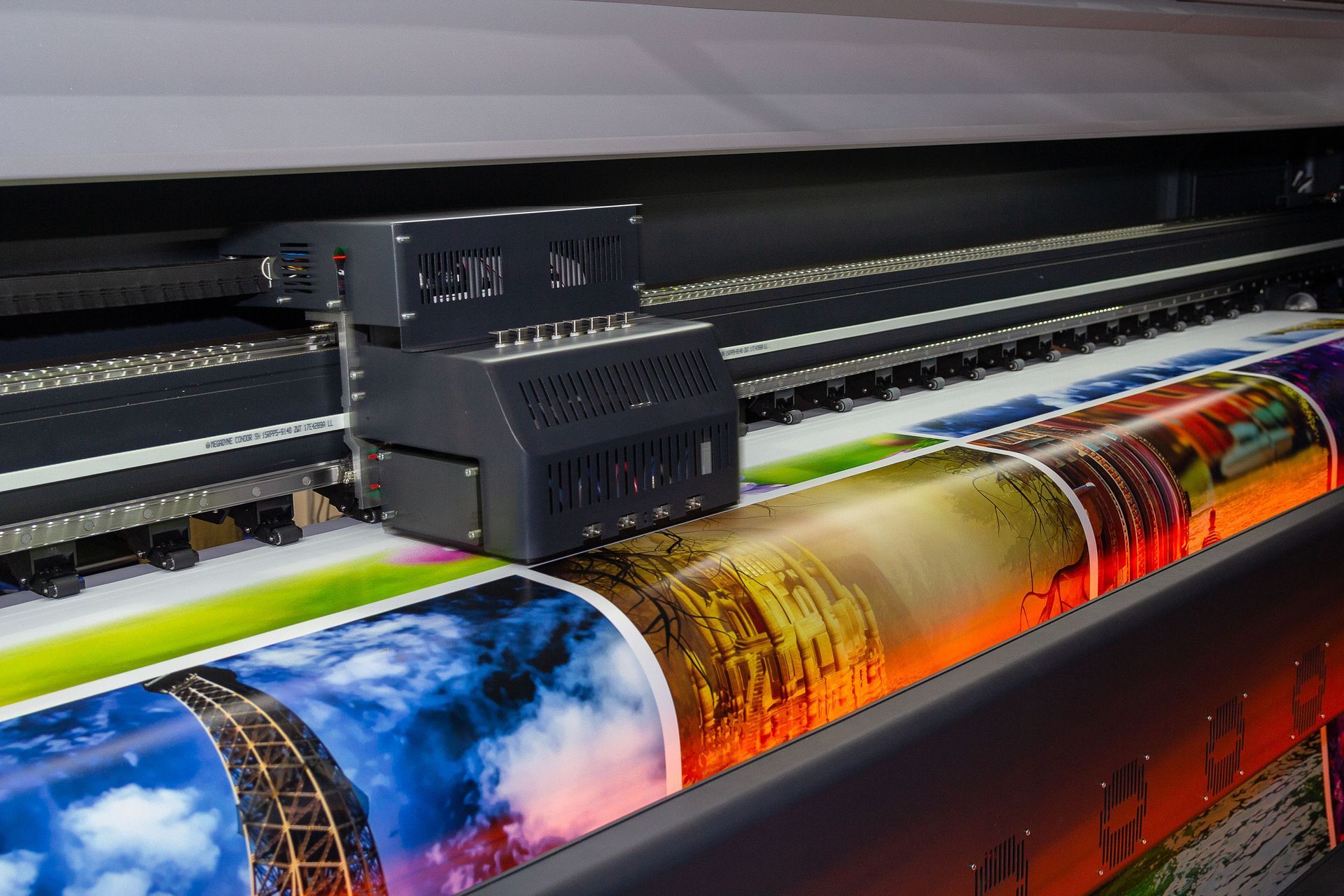
In the modern landscape of corporate branding, public events, and retail promotions, visual media plays an indispensable role in capturing human attention. Businesses continuously seek out creative avenues to communicate their core values, announce seasonal sales, or transform ordinary gathering spaces into highly immersive brand environments. While digital screens have certainly gained traction in highly urbanized environments, traditional physical graphics maintain an ironclad grip on the marketing industry due to their unrivaled versatility and economic efficiency. Large format displays have proven themselves over time as dependable corporate tools that command immediate authority without requiring complicated technical maintenance or relying on consistent electrical power sources. Navigating the wide array of physical advertising tools requires a strategic partnership with experienced professionals who specialize in large-scale production and spatial design concepts. Utilizing comprehensive sign services allows companies to seamlessly execute complex promotional campaigns that span across multiple locations while maintaining strict visual cohesion.
The unmatched dominance of wide-format materials stems from their structural simplicity and their innate ability to dramatically enhance brand presence in both indoor venues and outdoor settings. Large fabric backgrounds and durable vinyl advertisements are engineered to solve the real-world visibility challenges that modern enterprises face when trying to differentiate themselves within saturated commercial markets. These physical assets establish a tactile connection with an audience, providing a stable and reliable background that grounds marketing efforts during crucial trade exhibitions, product debuts, and community gatherings. Working alongside a dedicated production provider ensures that material selections, sizing choices, and anchoring mechanisms are customized to withstand specific environmental challenges and aesthetic demands. By evaluating the structural benefits, strategic versatility, and market prominence of these traditional visual tools, organizations that offer sign services can develop a comprehensive marketing approach that optimizes physical footprints and maximizes long-term promotional budgets.
The Structural Durability and Material Resilience of Large Format Graphics
The physical construction of heavy-duty marketing assets allows them to perform reliably in demanding environments that would instantly compromise delicate electronic displays. High-quality outdoor advertisements are typically manufactured from robust vinyl materials that possess exceptional tear strength and resistance to strong wind currents. Modern fabrication processes involve heat-welded hems and reinforced metal eyelets placed strategically along the perimeter, which prevent the material from fraying or tearing away from structural mounting frames during severe weather storms. These durable physical properties ensure that a company can leave an outdoor promotional message active for consecutive months without experiencing noticeable degradation in material integrity or structural alignment.
Advanced print production methods rely on ultraviolet-cured pigment ink formulations that bond directly to the chosen substrate at a molecular level, preventing surface scratching and premature fading. This chemical resilience is particularly vital for large backdrops used in television studios or convention halls, where high-intensity lighting can easily create distracting surface reflections or washed-out color displays. Professional sign services apply protective coatings that shield the underlying graphics from harmful sun rays, ensuring that contrast levels and corporate color matches remain vibrant over extended lifespans. Investing in these physically resilient materials guarantees that the visual representation of a corporate entity remains pristine, polished, and highly professional under any operational conditions.
The Spatial Versatility and Ease of Physical Deployment Across Venues
One of the greatest operational advantages of traditional wide-format displays is their lightweight composition and their remarkable ease of transport between different event venues. A massive fabric background capable of covering an entire exhibition stage can be folded down into a compact carrying case and transported without requiring specialized shipping freight. This mobility reduces the logistical headaches and labor costs associated with assembling heavy wood panelling or configuring complex digital monitor walls at short notice. Event coordinators can quickly unroll the material and attach it to standard telescopic framing systems, completing a total visual transformation of a room in a matter of minutes.
The physical flexibility of vinyl and textile graphics also allows them to conform to unusual architectural layouts, such as curved stadium walls, industrial fencing, or massive building facades. Production teams can customize the attachment mechanisms to utilize heavy-duty zip ties, silicone edge graphics channels, or hook and loop fasteners, depending on the specific characteristics of the installation site. Because these materials do not require access to electrical outlets or internet connectivity, they can be deployed in remote outdoor locations, rural trade fairs, or historical venues where modern infrastructure is absent. This independent functionality gives marketing teams total creative freedom to plant their brand messaging precisely where human foot traffic is highest.
The Proven Economic Efficiency and Return on Investment for Organizations
From a financial planning perspective, large physical displays offer an incredibly low total cost of ownership compared to electronic advertising networks that require continuous capital investments. Traditional printed graphics involve a single upfront manufacturing cost, completely eliminating the ongoing expenditures associated with software licensing fees, media player upgrades, and constant utility bills. Furthermore, physical advertisements do not suffer from sudden technical glitches, operating system crashes, or pixel failures that can instantly disrupt a digital marketing campaign and leave a blank screen in front of potential clients. This structural reliability ensures that a brand message is continuously visible to the public every minute of the day.
The affordability of wide-format printing allows small businesses and non-profit organizations to compete directly with massive corporations for consumer attention in shared public spaces. Companies can update their promotional messaging seasonally or rotate graphics between different regional branches without straining their marketing budgets or facing expensive contract termination penalties from digital media networks. Partnering with a comprehensive provider of sign services allows enterprises to streamline the design, print, and installation workflows under a single predictable invoice. This streamlined financial approach maximizes marketing budgets and allows companies to reallocate saved capital toward product innovation or client relationship management.
The Market Supremacy and Sustained Consumer Relevance of Traditional Displays
Despite rapid technological advancements in alternative advertising sectors, the demand for high-impact physical signage continues to expand across global commercial industries. Major retail corporations, sports franchises, and entertainment venues consistently prioritize wide-format printing to anchor their visual merchandising plans and event spaces. According to Fortune Business Insights, the banner and backdrop segment holds the largest share of the printed signage market. This major industry statistic highlights how heavily modern commerce relies on these fundamental tools to drive consumer engagement and establish distinct brand territories within highly competitive global economies.
The sustained dominance of traditional formats is deeply tied to human psychology and the physical nature of consumer interaction during large public events. A massive, high-resolution backdrop creates a powerful focal point that naturally draws human eyes, defining boundaries and creating a sense of professional permanence that digital screens often fail to replicate. These large printed surfaces serve as the literal background for corporate press conferences, viral social media photo opportunities, and red carpet events, extending a brand reach far beyond the physical room through digital photography and video broadcasts. The enduring market share demonstrates that physical graphics are not merely surviving in a modern digital world but are actively thriving as foundational pillars of contemporary corporate communications.
Achieving a powerful and memorable brand presence requires a balanced combination of durable materials, strategic design placement, and reliable production partnerships with sign services. Large-format physical displays continue to serve as the undisputed workhorses of the global advertising industry, delivering unmatched visibility, operational safety, and economic value to organizations of all sizes. By investing in these resilient visual assets, businesses can ensure that their promotional messages remain impactful and uninterrupted by technical complications or changing weather conditions. The enduring prominence of these traditional marketing tools reflects their timeless ability to command attention and transform ordinary commercial spaces into extraordinary brand experiences. To elevate your upcoming promotional campaign, expand your corporate visibility, or secure elite sign services tailored to your unique operational goals, contact Sign Pro today.







Share On: